By: Sarah Green, Jessica Puistonen, and Joshua Cadieux
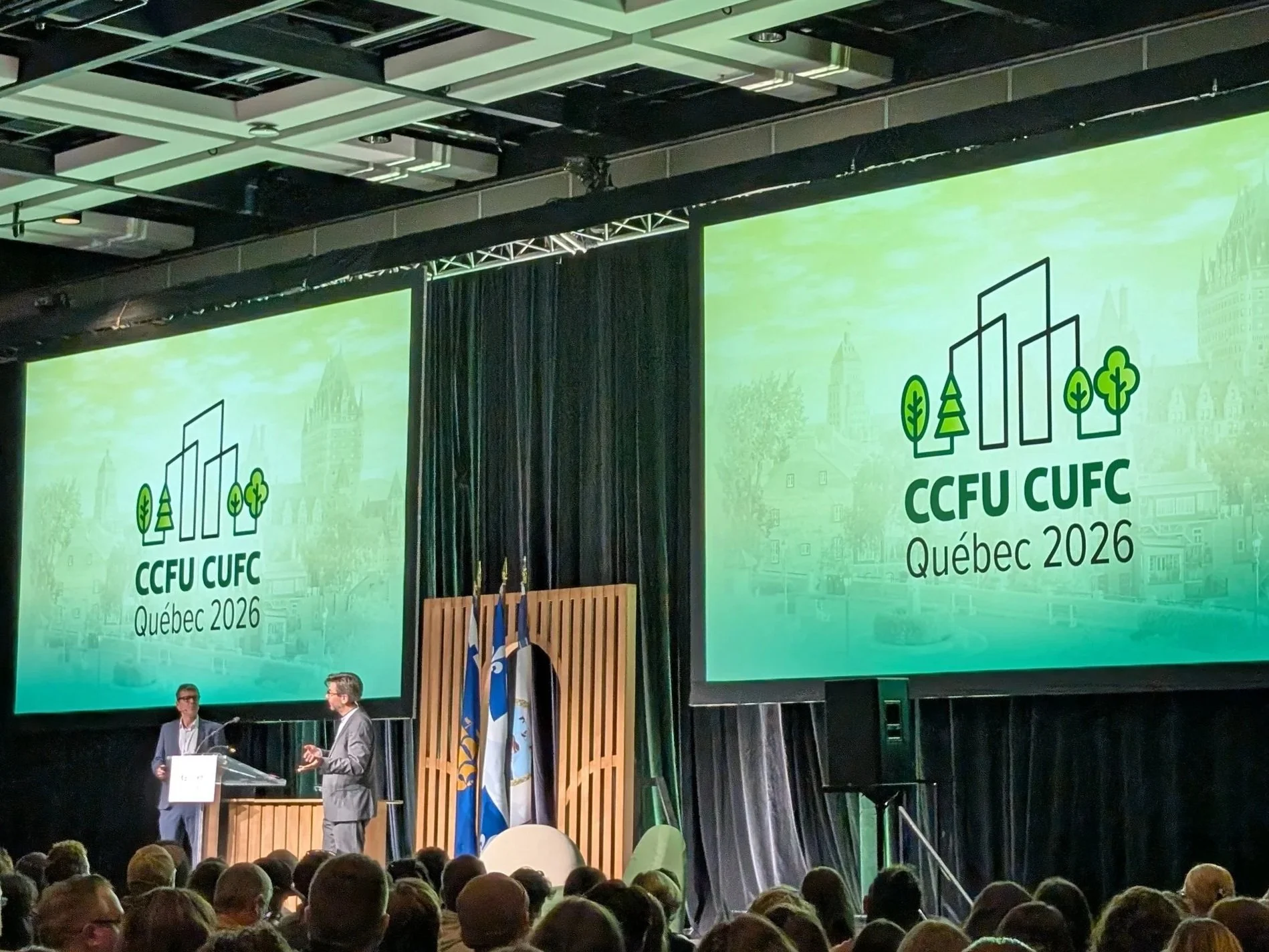
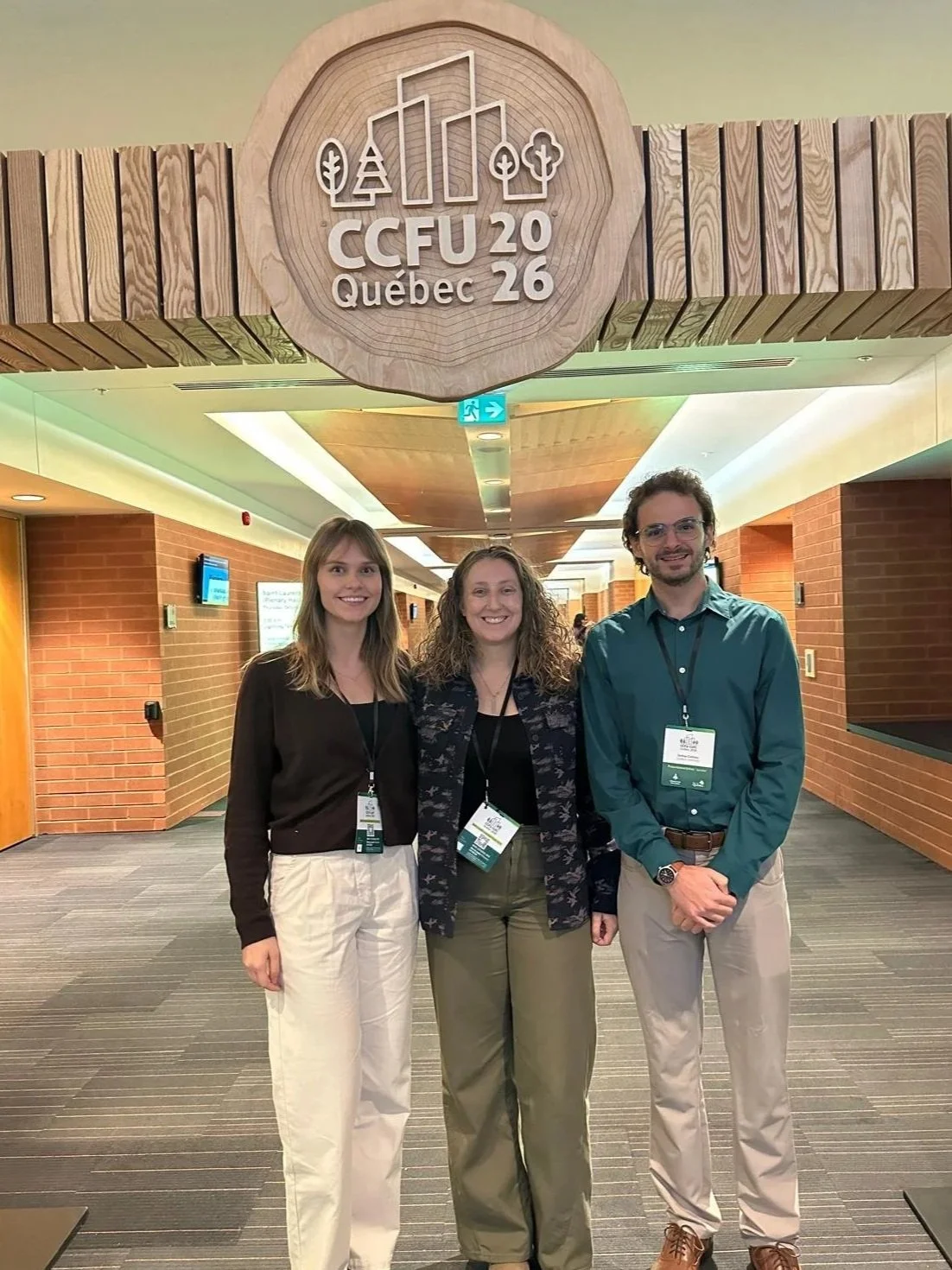
We, as members of the Biodiversity Conservation Solutions Lab, attended the 2026 Canadian Urban Forest Conference (CUFC), held in October in Québec City. Attending this conference was a very rewarding experience, and we enjoyed getting to explore this beautiful part of Canada at such a picturesque time of year! The conference brought together a wide range of participants, including researchers, municipal staff, non-profit organizations and urban forestry professionals from across the country and beyond to share recent research and examine some of the issues affecting urban forests today.
With much of the conference focusing on the challenges of protecting and managing urban forests, it was a great opportunity for our lab to share some of our ongoing research, learn about work being conducted elsewhere, and connect with researchers and organizations working in urban forestry.
Challenges facing urban forests
One of the recurring themes throughout the conference was the challenge of balancing urban forest protection with other municipal priorities. Many cities have set targets for increasing tree canopy cover; however, achieving these targets can be difficult due to competing demands for land, limited budgets and pressure to support new development.
Dr. Justin Morgenroth of the University of Canterbury gave a keynote address discussing five common myths related to urban forestry. Two of these myths stood out to us. The first was the idea that cities can simply plant their way out of tree loss. While planting new trees is important, it does not immediately replace the benefits provided by existing mature trees. Newly planted trees may require decades before reaching a similar size. The second was the idea that success means reaching a particular canopy target. Dr. Morgenroth argued that city-wide canopy targets should be considered tools used to promote action rather than measures of success on their own. These targets can assist in securing funding for projects, coordinating activities among municipal departments and tracking changes in urban canopy; however, they do not necessarily indicate whether urban forests are becoming healthier or providing their intended benefits.
Municipal representatives discussed similar challenges. Martha Copestake of the City of Ottawa spoke about the pressure municipalities face to accelerate housing development, which can create conflicts with tree preservation. Similarly, representatives from the Town of Halton Hills described how limited staffing and financial resources can make it difficult to perform routine tree surveys and monitoring. Several presentations also stressed the importance of organizations working collaboratively rather than independently. Protecting and growing urban forests requires communication among municipal departments, private developers, non-profit organizations, researchers and local residents.
Going beyond just counting trees
Another significant theme from the conference was to consider that the number of trees planted or the amount of canopy cover achieved is only one aspect of determining whether urban green spaces are ecologically beneficial.
Laura Jeanne Raymond-Léonard and Tanya Handa from Université du Québec à Montréal also presented research examining the effects of partial lawn mowing on urban biodiversity. Their results indicated that partial mowing could have relatively rapid and long-lasting positive effects on biodiversity, extending beyond pollinators. This presentation was particularly interesting given that our research at Carleton involves comparing bird communities at urban tree planting sites with those in established treed areas and open grassy spaces throughout Ottawa–Gatineau. These areas can also differ in how they are managed. For example, some open areas are frequently mowed and experience higher levels of pedestrian activity, whereas planted areas may be mowed less frequently and have different vegetation structures. As we continue analyzing our data, we will also examine how vegetation structure, management practices and surrounding land use may contribute to the differences observed in bird communities between these sites.
Research was also presented that examined the human-dimensions side of urban forestry. Presentations addressed public attitudes toward the responsibilities of tree care, concerns surrounding tree removal and the importance of involving residents in decisions about neighbourhood trees. These discussions highlighted how urban forests are not only ecological systems but also places that people interact with and have strong opinions about. Another theme among presentations was the importance of placing environmental justice at the center of urban tree planting initiatives, as trees are often inequitably distributed within cities. Presentations on this topic ranged from academic research to active municipal initiatives, including Lorien Nesbitt from UBC and Brodie Kinnear from EnviroCentre in Ottawa.
Connecting research with practice
An added benefit of attending CUFC was the opportunity to engage with organizations responsible for managing urban forests. While researchers may be interested in quantifying biodiversity and evaluating ecological outcomes, municipalities and non-profit organizations also face practical limitations when attempting to collect these data. These challenges are particularly relevant to our ongoing national survey of Canadian tree planting organizations. The survey examines how organizations define biodiversity, which indicators they use to measure it, and what resources are available for biodiversity monitoring. Limited funding, competing municipal priorities and the need for greater collaboration between organizations were all recurring topics at the conference. Understanding these challenges will be important when considering how biodiversity monitoring can be better incorporated into urban forestry programs.
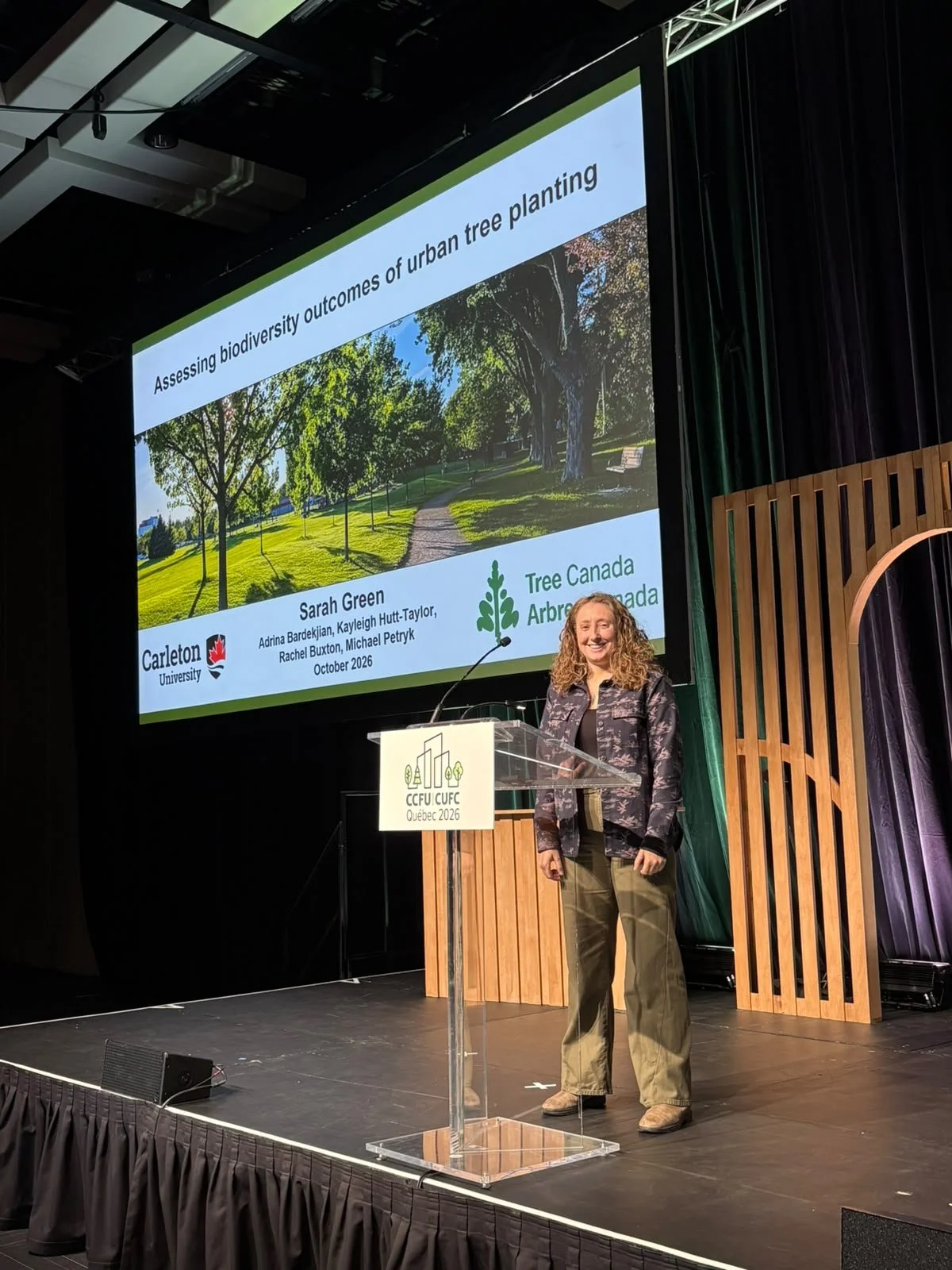
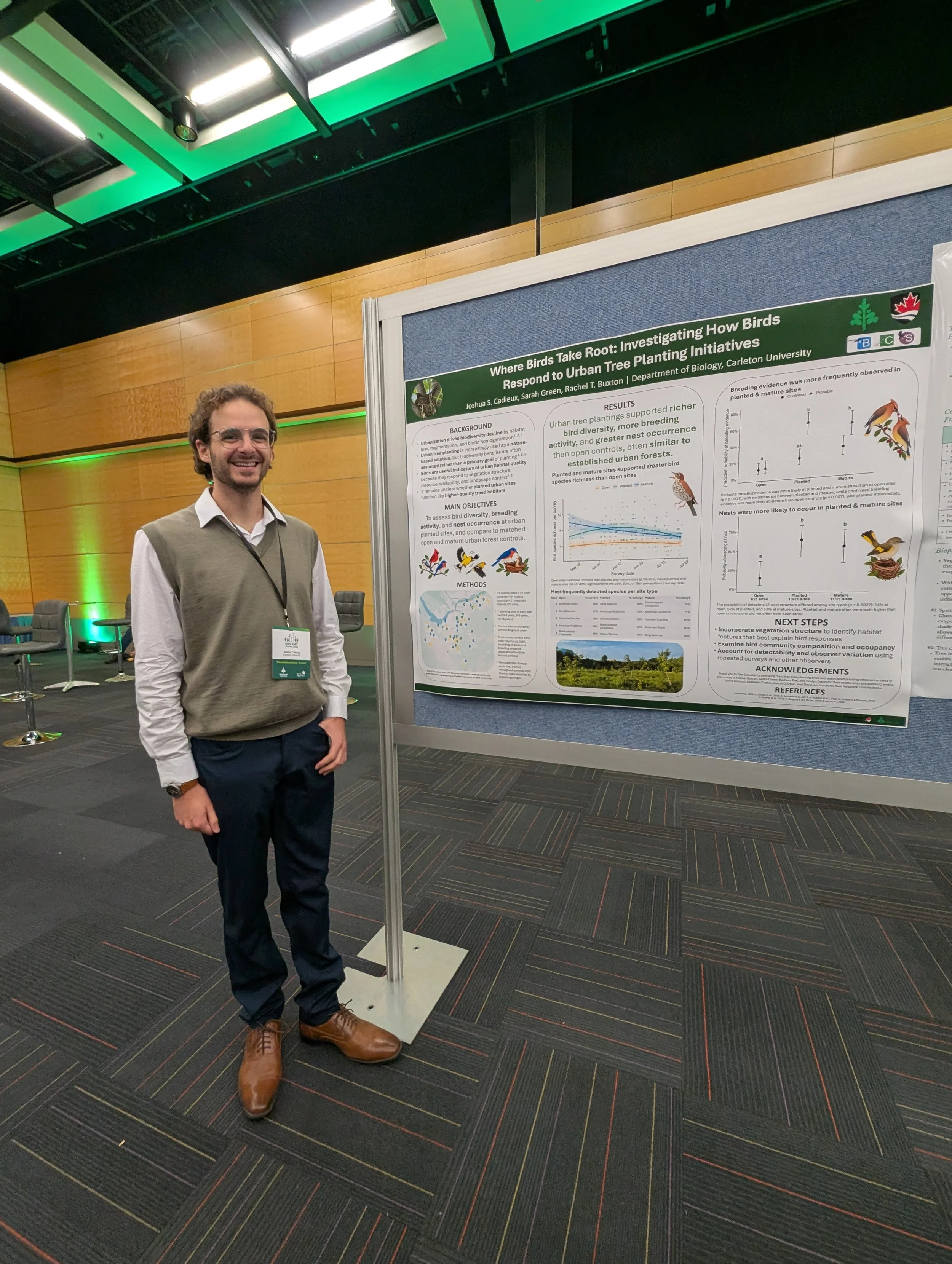
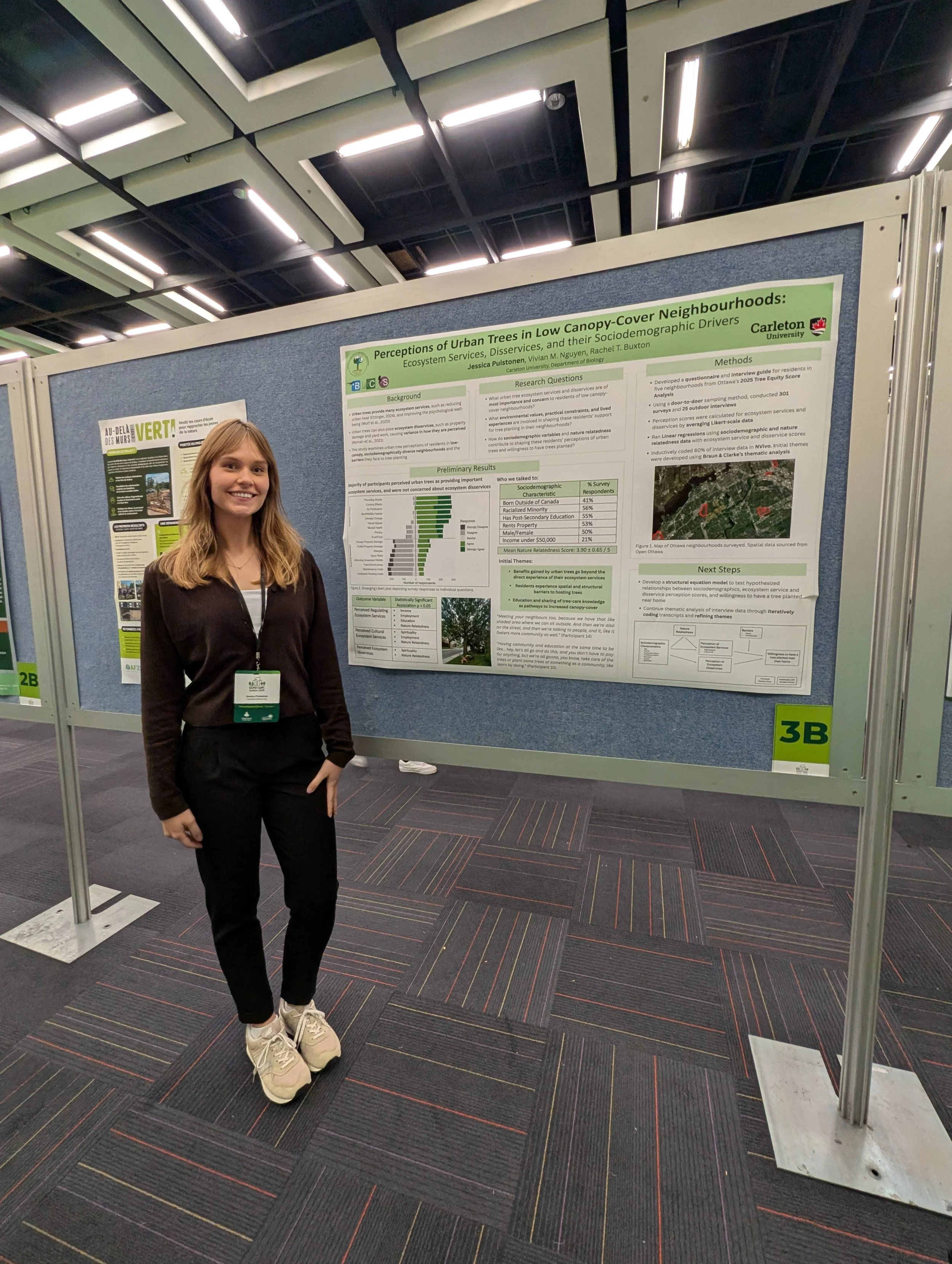
Our lab also had the opportunity to share preliminary results from our research through a lightning talk and poster presentations. Josh covered the early findings of his field work this summer, noting how urban planted sites were similar to mature urban forest control sites in terms of bird diversity, breeding evidence, and nest occurrence. Importantly, both of these showed significantly higher metrics than the open, unplanted control sites. Jessica shared the initial results and themes of the surveys and interviews she conducted on the perceived benefits and trade-offs of urban trees in Tree Equity neighbourhoods. Sarah discussed emerging results from the audio analysis of her first field season and national survey findings. Conversations with researchers and practitioners provided useful feedback on our work and opportunities for future collaboration.
Moving ahead
Perhaps one of the biggest takeaways from CUFC was that planting trees represents only one part of developing and maintaining healthy urban forests. Retaining existing trees, understanding how green spaces are managed, and having sufficient resources to monitor ecological conditions are all important considerations.
For our lab, many of the topics discussed at CUFC relate directly to the questions we are investigating through our research. As we continue our analyses, we hope to contribute to a better understanding of what happens after trees are planted and how that information can guide future urban forestry initiatives. We are grateful to Tree Canada for hosting and inviting us to be part of this fun and informative event!